The Tikkakoski Legacy: A Company Story
In 1983, Nokia merged Sako with Tikkakoski, a Finnish firm with a storied manufacturing heritage. Today, Tikka is a vital part of the Sako story, offering a product line essential to the company's identity and success.
The Tikkakoski Legacy: A Company Story
In 1983, parent company Nokia merged Sako with Tikkakoski, a Finnish firm originally known for manufacturing consumer goods and, later, firearms. Much like Sako, Tikkakoski possesses a rich history that evolved alongside the ebbs and flows of international conflict. Today, Tikka is a vital chapter of the Sako story, offering a product line that is essential to the broader company’s operations.
The History of Tikkakoski
The Tikkakoski factory began in the 1890s as a small machine shop in the village of Laukaa. Following Finnish independence, the company transitioned to weapons production, with the Ministry of Defense providing the bulk of the initial orders.
By the late 1930s, Tikkakoski saw rapid growth due to increasing military contracts. Their product line included the Suomi submachine gun—which was in production even before the war—alongside cartridges, machine guns, ammunition belts, and various gun parts.
Post-War Shifts and Soviet Ownership
In the late 1920s, German industrialist Willy Daugs purchased a majority stake in the company. However, this German ownership became a liability at the end of World War II. Under the terms of the peace treaty, all German-owned property in Finland was to be transferred to the Allies. In practice, this meant the Soviet Union, which took ownership of Tikkakoski in 1947.
Under Soviet control, Tikkakoski stopped producing firearms and pivoted to general metalworking—most notably the famous Tikka sewing machines. In 1957, a group of Finnish businessmen bought the company back from the Soviet Union, interestingly paying for the acquisition with a massive shipment of sewing machines. Just ten years later, a majority stake was purchased by a central cooperative bank.
Return to Roots and the Sako Merger
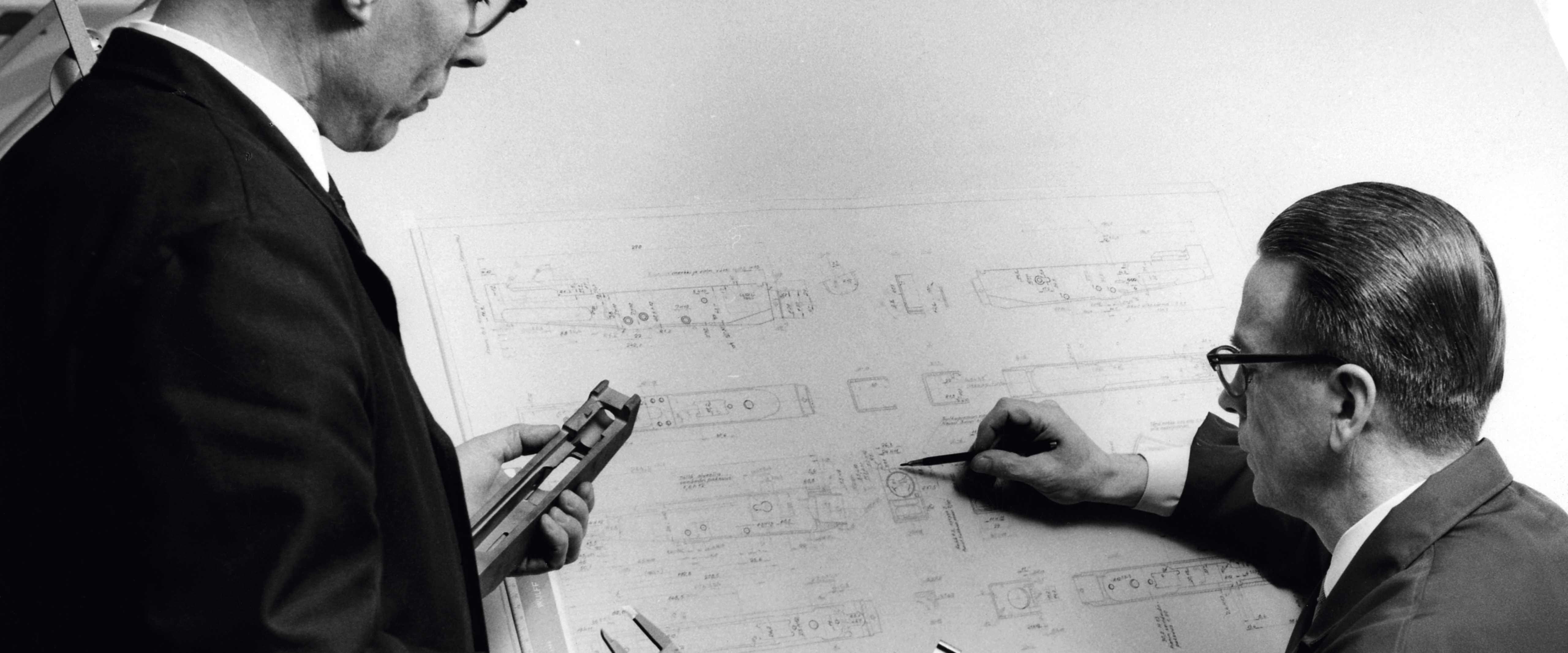
With the company back in Finnish hands, Tikkakoski returned to firearms manufacturing. While previous models had been assembled using outsourced components, the late 1960s marked a turning point: the company designed and manufactured its first completely in-house model, the M76 rifle.
Nokia, which had previously acquired the "Cable Factory" (Sako’s then-owner), purchased Tikkakoski in 1974. By the summer of 1982, Nokia moved forward with plans to consolidate its two most important private firearms factories. Although Tikkakoski was technically in better financial shape at the time, the 1983 merger favored the larger Sako. Tikkakoski was absorbed into Sako, a move that ensured the continued manufacturing of high-quality firearms under a unified banner.
A New Era
In the spring of 1983, a new commemorative rifle, the Sako-Tikka, began serial production. By that fall, the merger was finalized, and the new corporate entity, Oy Sako-Tikka Ab, was officially registered on September 29, 1983. In May 1985, Nokia announced a major reorganization of its metal industry division. As a result, Oy Sako-Tikka Ab was merged into the parent company after only 18 months of independent operation. While the factories continued to produce firearms under the Sako and Tikka brand names, the facilities were renamed to reflect their history: Nokia Machinery/Sako Factories and Nokia Machinery/Tikka Factories. With this change, the Tikkakoski name officially disappeared from the legal record on January 1, 1986, ending a nearly century-long legacy.