Inside the Tikka Rifles Manufacturing Process
Riihimäki, Finland. This is the home of Sako Ltd, where Tikka rifles are born. While many manufacturers have moved toward cost-cutting "disposable" designs, Tikka has doubled down on a manufacturing philosophy that prioritizes one thing above all: repeatable precision.
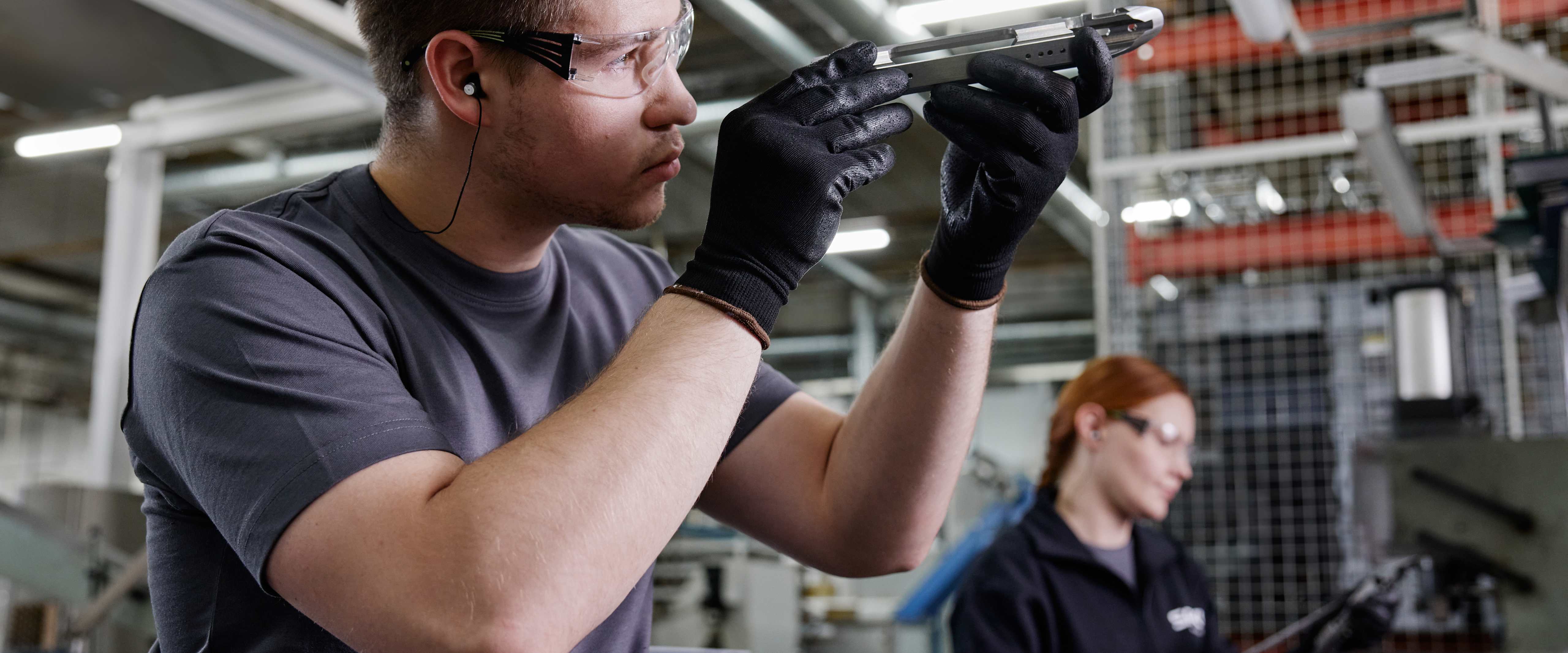
I. The Barrel: A Masterclass in Cold Hammer Forging
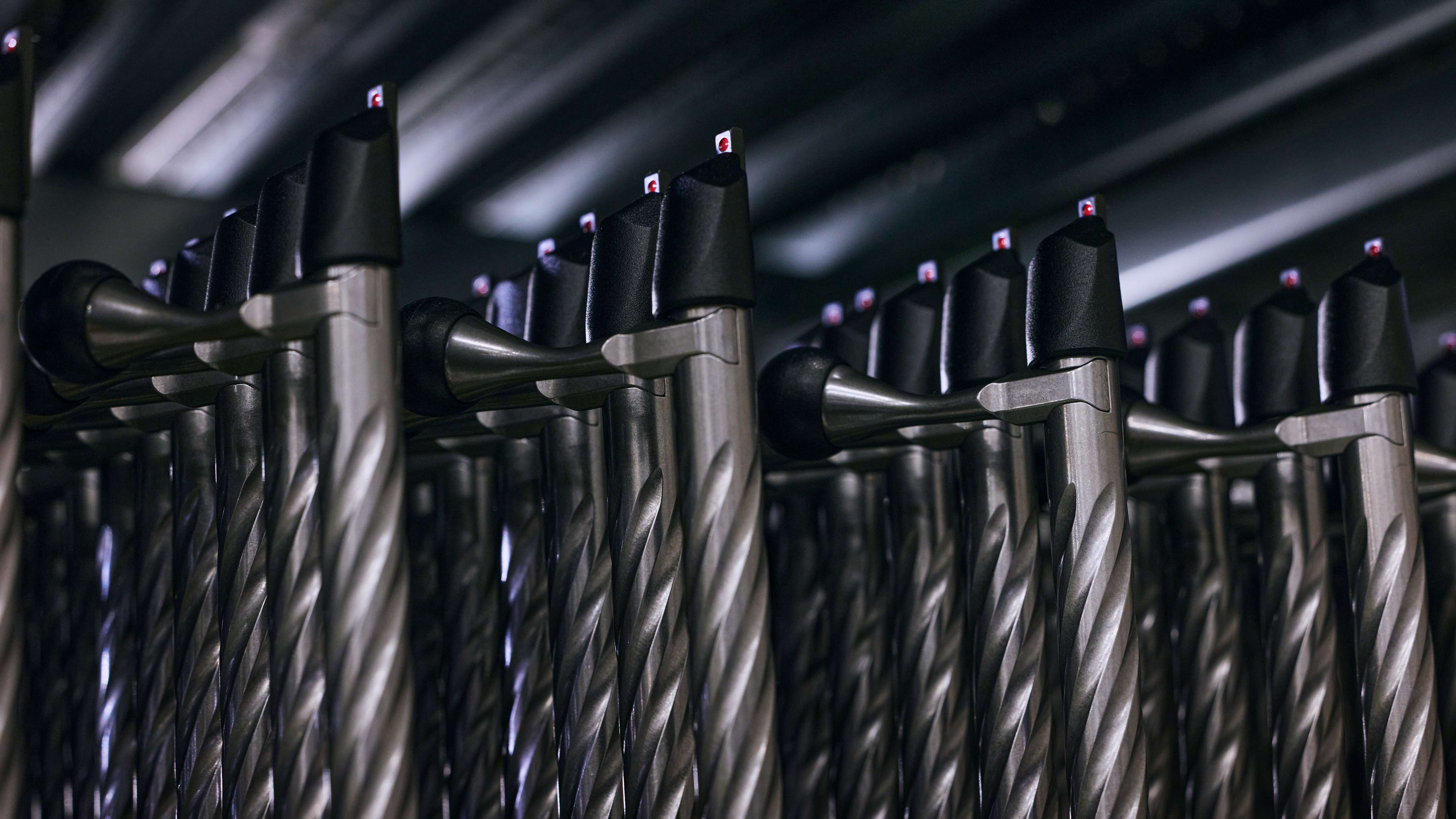
The soul of a Tikka is its barrel. Unlike "button-rifled" barrels found on many mass-market rifles, every Tikka barrel is Cold Hammer Forged (CHF).
- The Transformation: The process begins with a solid cylinder of proprietary high-grade steel. A hole is drilled through the center and honed to a mirror finish. A hardened steel mandrel—containing the reverse image of the rifling and the chamber—is inserted into the bore.
- The Impact: Massive hydraulic hammers strike the outside of the steel blank with hundreds of tons of force. This compresses the molecular structure of the steel around the mandrel, literalizing the rifling into the metal.
- The Result: This process doesn't just create a barrel; it creates a work-hardened, incredibly dense piece of equipment. This is why Tikka barrels are famous for having a "broken-in" feel directly from the factory and for maintaining accuracy even as the barrel heats up.
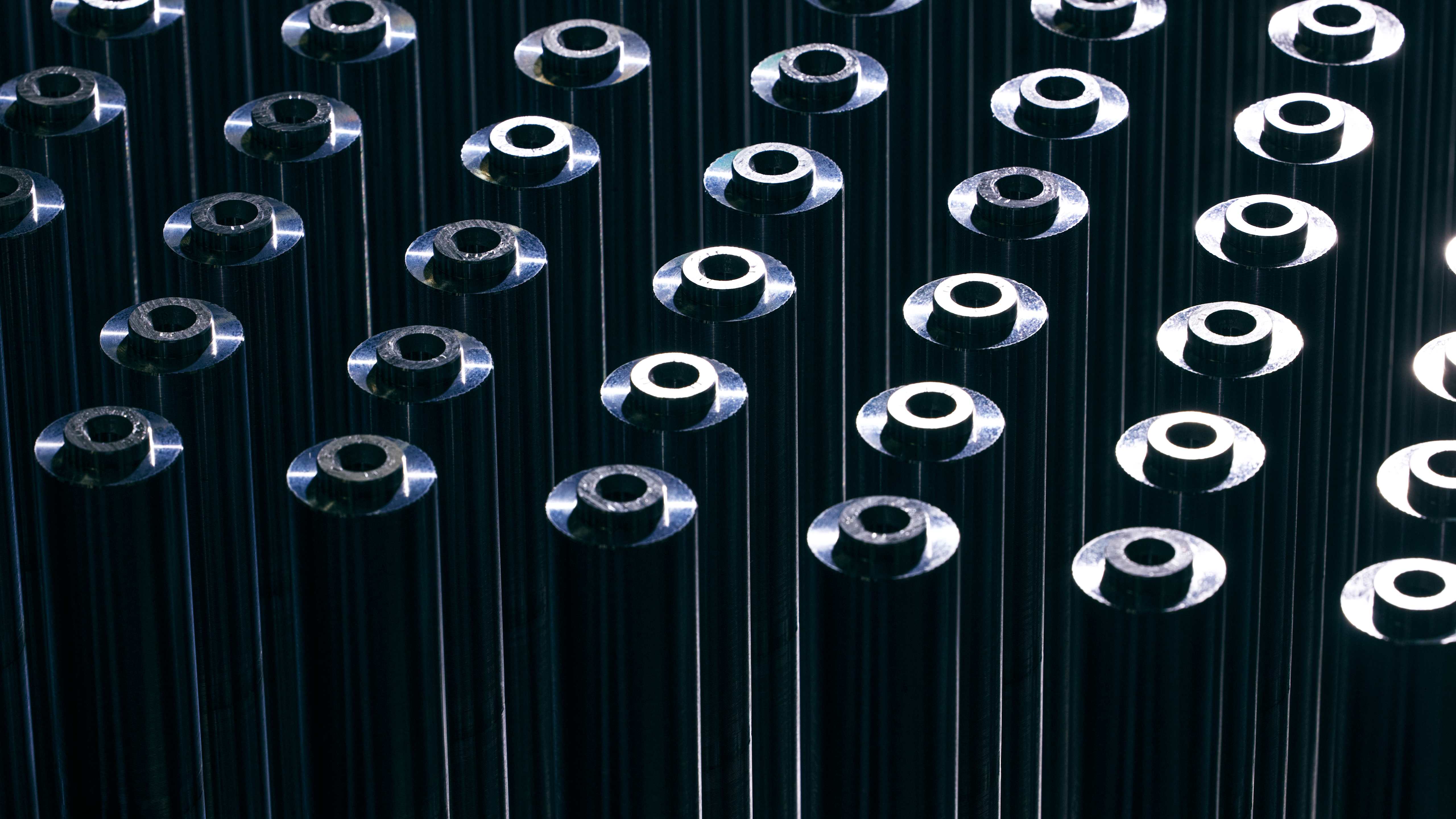
II. The Action: Machined for "Glass-Smooth" Cycling
If the barrel is the soul, the action is the heart. The Tikka T3x action is widely regarded as the smoothest factory bolt-action in its price bracket and highly praised within the custom builds community.
Precision-Milled from a Single Block
The receivers are milled from specialised steel using high-precision CNC (Computer Numerical Control) machines. By machining from a solid block rather than using castings, Tikka ensures there are no internal air pockets or structural weaknesses.
The Two-Lug Bolt
The bolt features a classic two-locking-lug design. During manufacturing, the lugs are ground to incredibly tight tolerances. This ensures that when the bolt is closed, the contact between the lugs and the receiver is symmetrical, which is vital for consistent accuracy.
The 70-Degree Lift
By precisely machining the camming surfaces, Tikka achieves a 70-degree bolt throw. This requires a higher level of machining precision than a standard 90-degree throw to ensure the primary extraction remains powerful enough to eject stubborn casings.
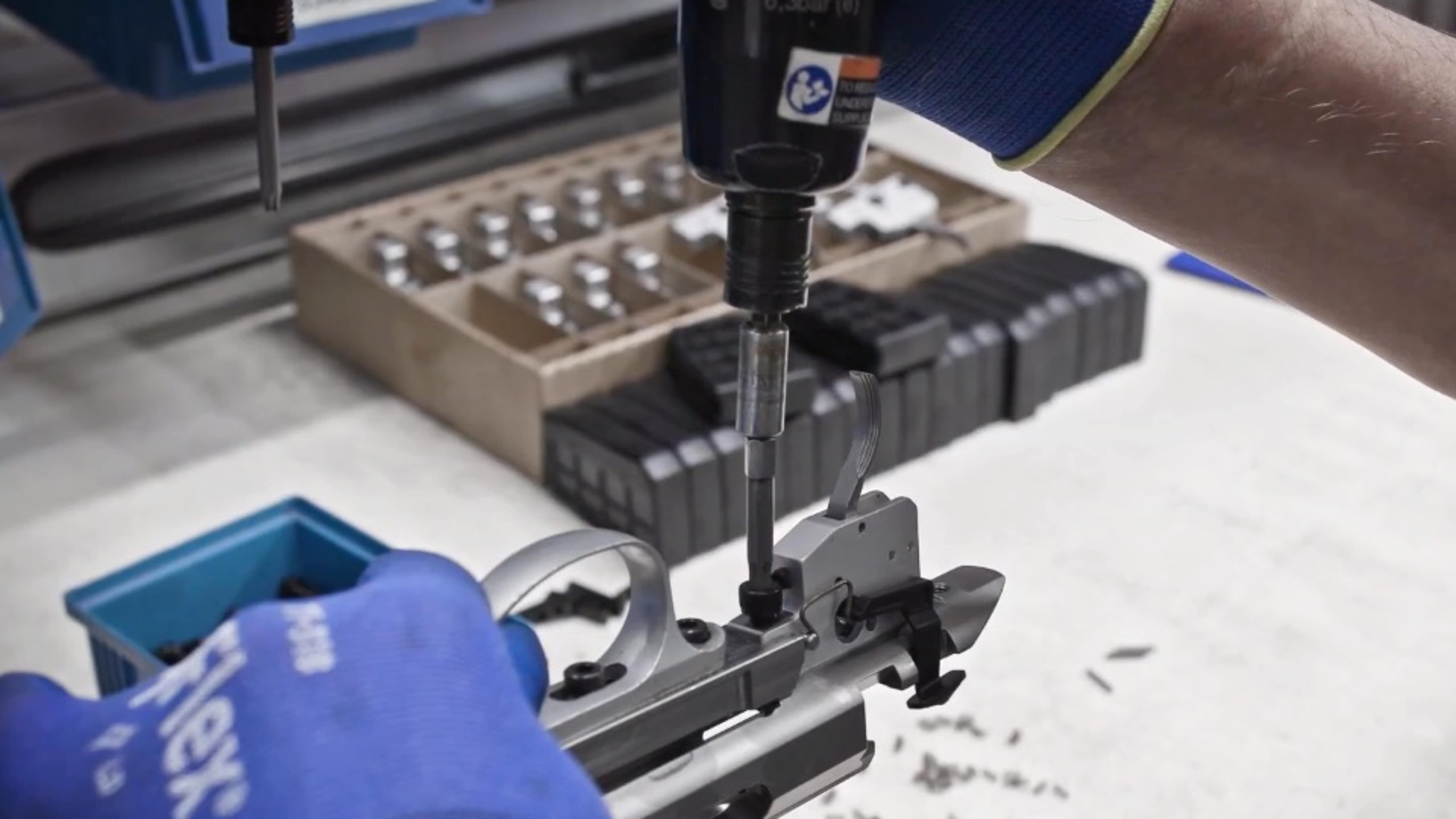
III. The Trigger: The Human Touch
In an era of "lawyer-proof" heavy triggers, Tikka stands out by manufacturing a trigger group that feels like a custom aftermarket unit.
- Steel Components: While the trigger housing may use high-strength polymers, the critical engagement surfaces—the sear and the trigger blade—are made of hardened steel.
- Individual Testing: Every single trigger is adjusted and tested by a technician. They are looking for a crisp break. If a trigger has even a hint of "creep" (movement before the shot), it is rejected.
IV. The Stock: Engineering Rigidity
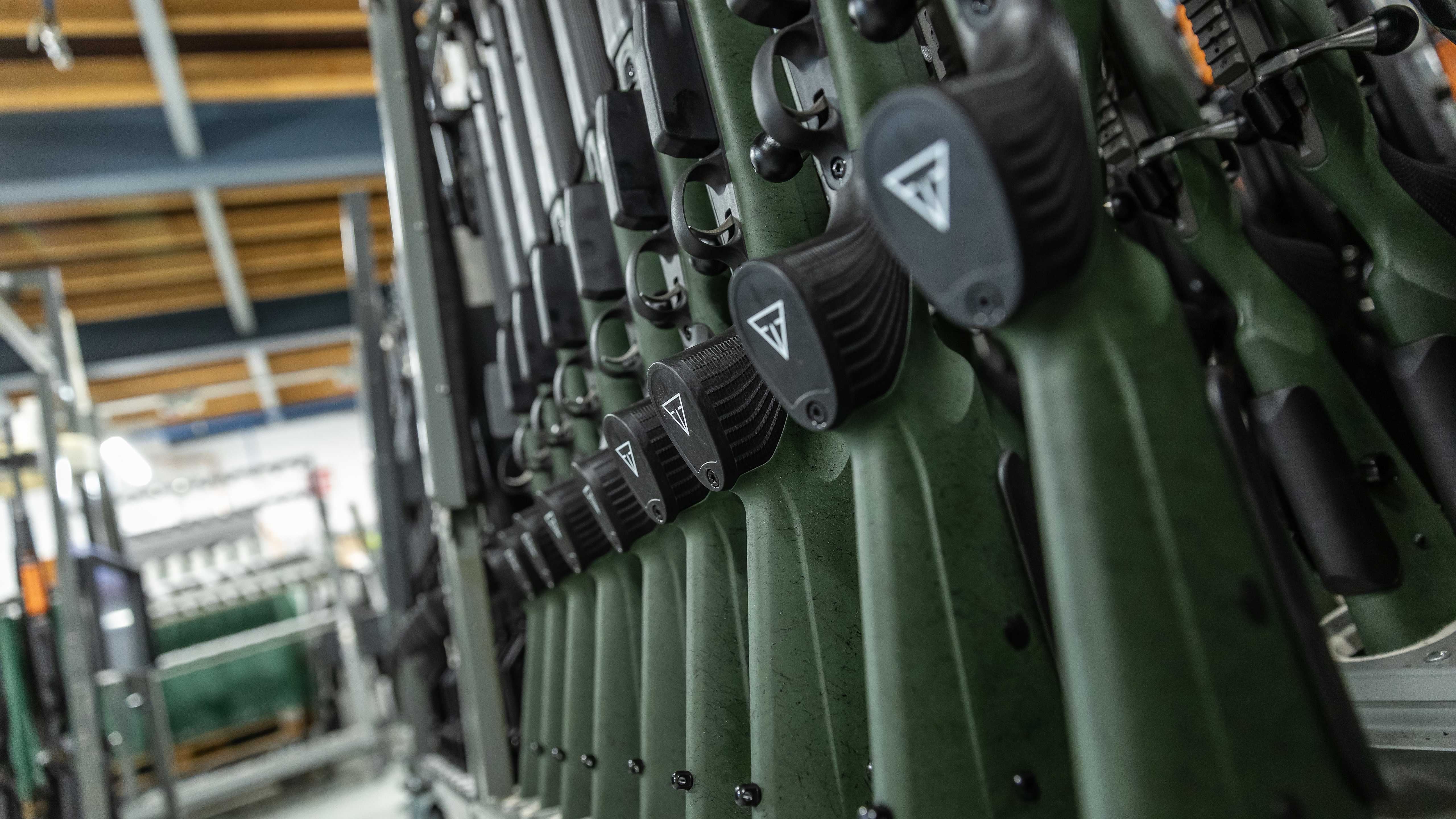
A rifle is only as accurate as its foundation. Tikka’s synthetic stocks are engineered for maximum stability.
Features and Manufacturing Detail
Material: High-pressure injection-moulded, glass-fiber reinforced polypropylene.
Bedding features a steel recoil lug to prevent the action from shifting under heavy
recoil.
Modularity: The molds include interchangeable grip inserts, allowing for a custom-fit feel.
V. The Ultimate Quality Control: The 1 MOA Promise
The final stage of the Tikka process is what truly separates them from the competition. While most manufacturers test a few rifles from every batch, Tikka tests every single one.
"If a Tikka doesn't shoot a sub-inch group, it doesn't leave Finland. It goes back to the bench to be diagnosed, re-barreled, or scrapped."
Before leaving our factory, every rifle is taken to an underground range. A technician fires a three-shot group using Sako factory-grade ammunition. To pass, the rifle must achieve a group of 1 MOA (sub-1 inch at 100 yards) or better.