From Box to Barricade: Setting Up Your T3x for PRS Matches
Competition preparation
Go from the gun counter to the firing line with a step-by-step guide to balancing your chassis, tuning your trigger, and selecting the right accessories for positional stability.
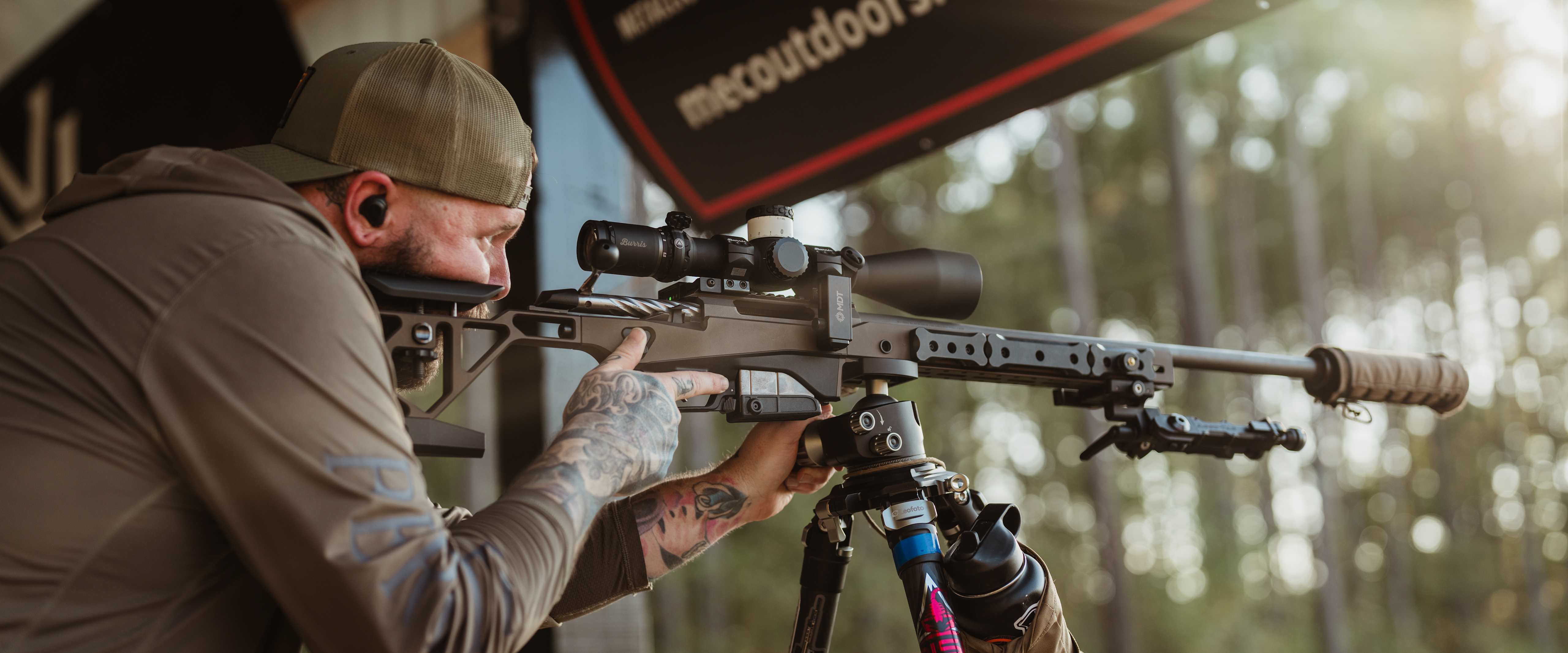
The Precision Rifle Series (PRS) is designed to expose gear failures. You are forced to shoot from unstable positions—tank traps, tractor tires, and rooftop simulators—under a ticking clock. In the Production Class, where MSRP limits prevent you from simply "buying" a win with a $5,000 custom rig, the Tikka T3x CTR and UPR have become the standard-bearers.
The Production Class Advantage
The Tikka action is essentially "custom-grade" from the factory. While competitors are spending money to have their actions "blueprinted" or timed, the T3x comes with a 70-degree bolt lift and a silk-smooth cycle out of the box.
In a timed stage, speed is the only currency that matters. The T3x’s short bolt throw provides maximum clearance for large tactical turrets, ensuring you never snag a glove or bark a knuckle when cycling under stress.
Ergonomics for the "Forced Discomfort"
Modern precision shooting has moved away from the traditional "sporter" stock. PRS requires a vertical interface.
- Vertical Grip: The T3x UPR and Ace series feature vertical grips that place the trigger finger at a natural 90-degree angle. This prevents "lateral take-up"—the tendency to pull the rifle left or right during the trigger squeeze.
- The Flat Forend: Rounded hunting stocks roll on barricade bags. Tikka’s tactical forends are wide and flat, designed to "seat" into a Gamechanger bag. This creates a rock-solid friction lock against fence rails or cattle gates.
- Adjustability: If your cheek weld isn't perfect, you’ll fight parallax and eye box shadows. The adjustable cheek risers on the UPR and Ace series allow you to stay "in the glass" during recoil, which is critical for spotting your own trace and making mid-stage corrections.
Deep Dive: Pro-Tuning Your Tikka for the Match
To move from the middle of the pack to the podium, you need to tune the rifle to your specific shooting style. Here is how to optimize a T3x for competition.
1. Trigger Tuning: The "Half-Pound" Sweet Spot
The factory Tikka trigger is excellent, but for PRS, most shooters prefer a lighter break (around 1–1.5 lbs) to minimize rifle movement.
- The Mod: You can swap the factory trigger spring for a high-quality aftermarket spring (like Mountain Tactical). This allows you to safely drop the pull weight without compromising the sear engagement or drop-safety of the rifle.
- The Result: A lighter break allows you to "surprise" yourself with the shot while balancing on a wobbling barricade.
2. Recoil Management and Balance
In PRS, if you can't see your impact through the scope, you can't win.
- Muzzle Devices: The T3x CTR comes threaded (5/8x24). Ditch the thread protector and install a high-efficiency self-leveling muzzle brake (e.g., Area 419 Hellfire). This keeps the muzzle flat, allowing you to watch the bullet impact the steel.
- Weighted Balance: A rifle that is "nose-heavy" stays on a bag better. If you are using the UPR or a chassis-mounted T3x, consider adding internal weights to the forend. The goal is to have the rifle balance perfectly 2–3 inches in front of the mag well.
3. Bolt Handle and Knob Upgrades
Factory bolt knobs are often small and optimized for hunting. For competition, leverage is king.
- The Swap: Replace the factory handle with an oversized tactical bolt knob. The increased surface area and leverage make cycling the action almost effortless, even when your hands are sweaty or shaking from the "stage jitters."
4. Magazine Maintenance
The Tikka CTR/UPR uses a 10-round steel magazine that is incredibly robust. However, for PRS, reliability is non-negotiable.
- Tuning the Lips: Ensure the feed lips are deburred to prevent brass shaving. Use a dry PTFE lubricant inside the magazine body to ensure the follower never binds when you're shooting in dusty, "moon-dust" conditions common at western matches.
The T3x is a system of "boring reliability." While other shooters are fussing with their custom actions or dealing with light primer strikes, the Tikka just works. Set your zero, tune your trigger, and focus on the wind. The rifle will handle the rest.