Flat Trajectories: Why Barrel Profile Matters for Varmints
Mechanical precision
High-volume shooting demands serious thermal management. Explore how barrel contours affect harmonic stability, heat dissipation, and repeatable accuracy during long days afield.
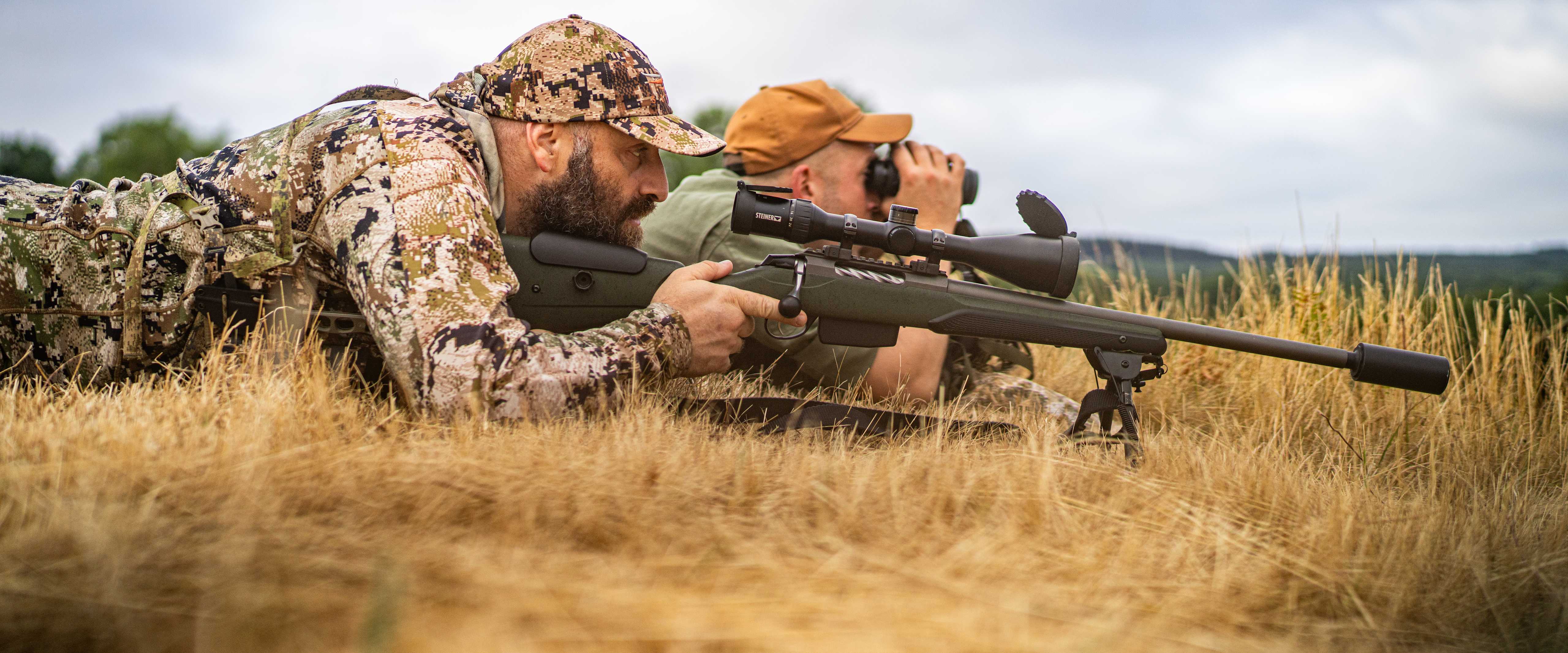
If whitetail hunting is a game of patience, varmint hunting is a game of volume and math. Whether you're staring down a colony of prairie dogs in South Dakota or picking off coyotes in a frozen Montana coulee, the demands on your barrel are extreme.
When we talk about "flat trajectories," most guys immediately start talking about calibers like the .22-250 or the .204 Ruger. And they're right - speed is king. But what many hunters overlook is how the barrel profile affects that speed and, more importantly, your consistency over a long day of shooting.
Heat: The Enemy of the Long Day
In a high-volume varmint set, you might fire fifty rounds in an hour. In a standard thin-profile hunting barrel, that kind of heat is a death sentence for accuracy. As the steel expands, the barrel begins to "walk" your shots. Your 100-yard zero starts drifting, and by 300 yards, you're missing targets by six inches.
This is why the Tikka T3x Varmint or Super Varmint exists. We use a heavier, semi-heavy barrel profile for a very simple reason: thermal mass.
A thicker barrel takes longer to heat up and cools down more consistently. But it's not just about bulk. We cold-hammer forge every Tikka barrel. This process creates a denser, smoother internal surface that resists copper fouling, crucial when you're shooting 100+ rounds between cleanings.
The Varmint Geometry
Why a heavy barrel for a "flat" shot? It's about harmonics. Every time you pull the trigger, the barrel vibrates like a tuning fork. A thin barrel has more "whip." A heavier profile is stiffer, meaning the "whip" is minimised. When you're trying to hit a target the size of a soda can at 400 yards, that lack of vibration is the difference between a hit and a "close call."
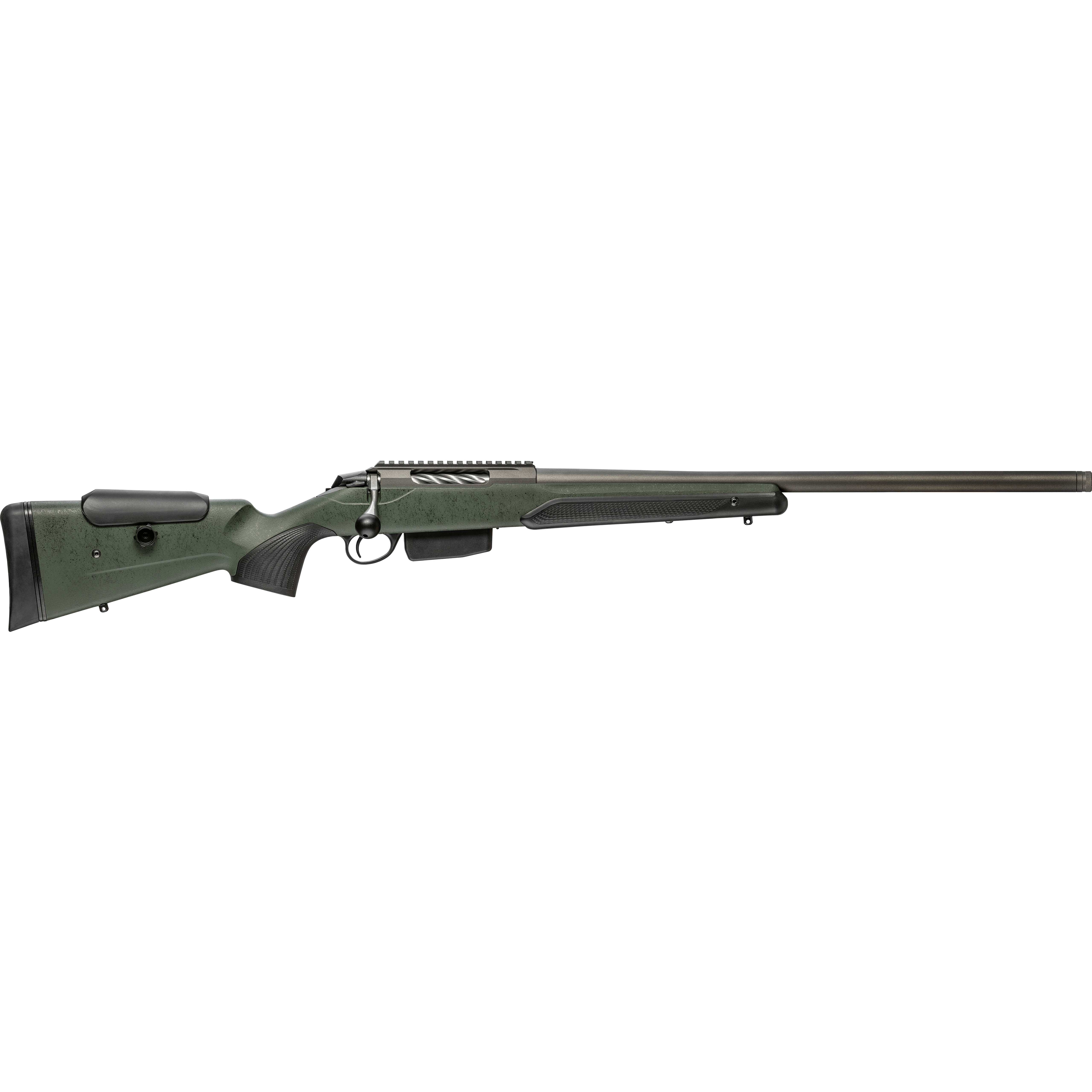
For the American varmint hunter, the T3x Super Varmint adds another layer of practicality: the Picatinny rail. In the varmint world, we use big glass. You need high-magnification scopes to see those heat-mirage-obscured targets. A heavy barrel provides the balance for a heavy optic, preventing the rifle from feeling "top-heavy."
Real Talk: Carrying the Weight
Let's be straightforward-you aren't going to carry a 10-pound Varmint rifle on a sheep hunt. But for the coyote caller who's sitting on a ridge or the prairie dog hunter shooting off a bench, that weight is your friend. It stabilizes the rifle. It cuts recoil to almost zero, allowing you to see the "splash" in the dirt and adjust your hold instantly.
In the varmint game, you are the ballistics computer, and the Tikka is the hardware. We provide the heavy-profile barrel that stays true through the heat, the 1 MOA guarantee that gives you the confidence to hold "dead on," and an action that cycles as fast as you can work the bolt.
Choosing Your Profile
T3x Varmint
Pest Control. The fun way.
T3x Varmint Stainless
Pest Control. The fun way.
T3x Varmint Hunter
Pest Control. The fun way.
T3x Varmint Hunter Stainless
Pest Control. The fun way.
T3X LITE TRUETIMBER® VSX
Stealth and Precision in Every Environment
T3x Lite
Accuracy Standardized
T3x Lite Stainless
Accuracy Standardized
T3x Lite Adjustable
Accuracy Standardized
T3x Lite Battue
An impressive all-rounder
T3x Super Varmint
Overkill. In the best way.
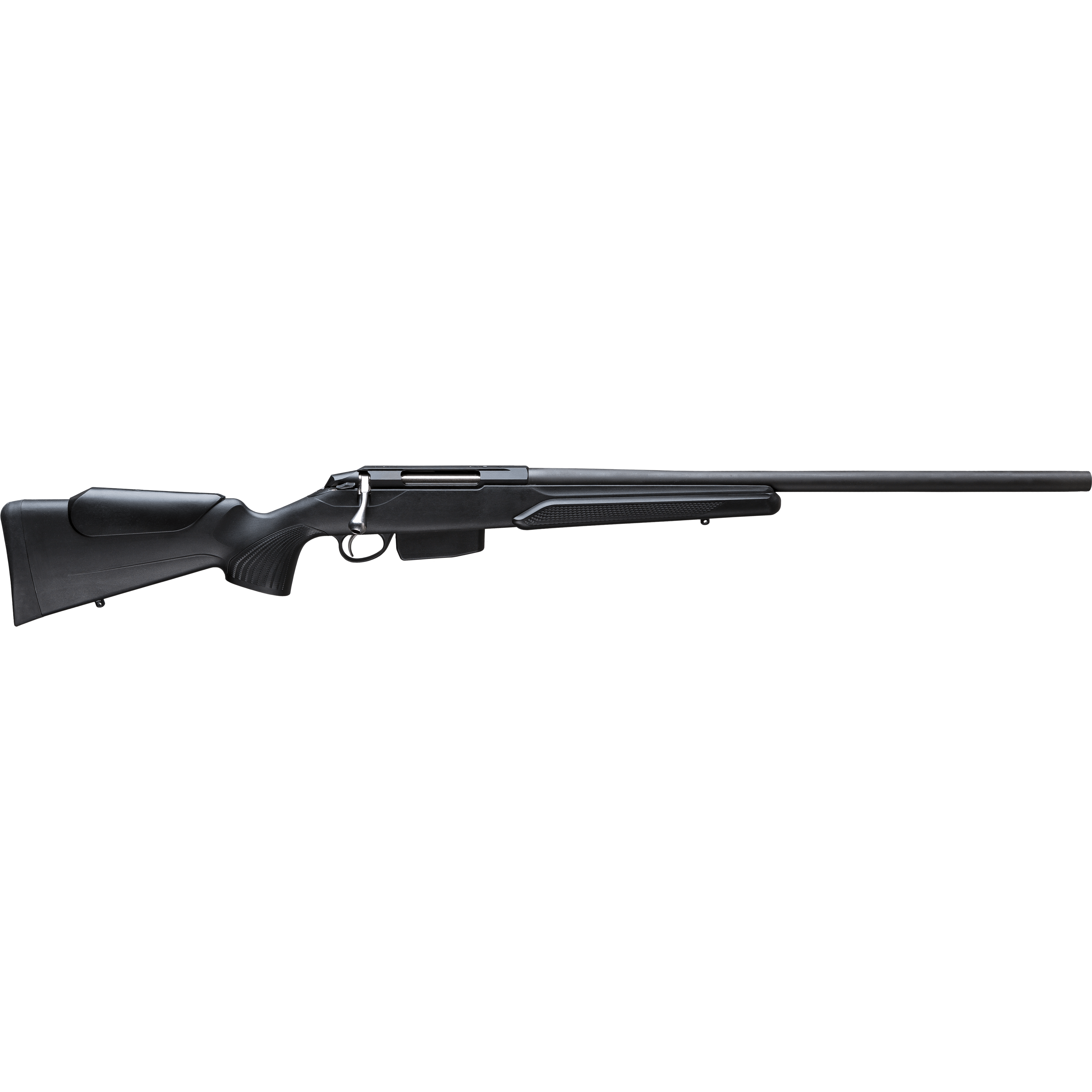
The T3x Varmint: For the dedicated stationary shooter. Maximum heat dissipation.
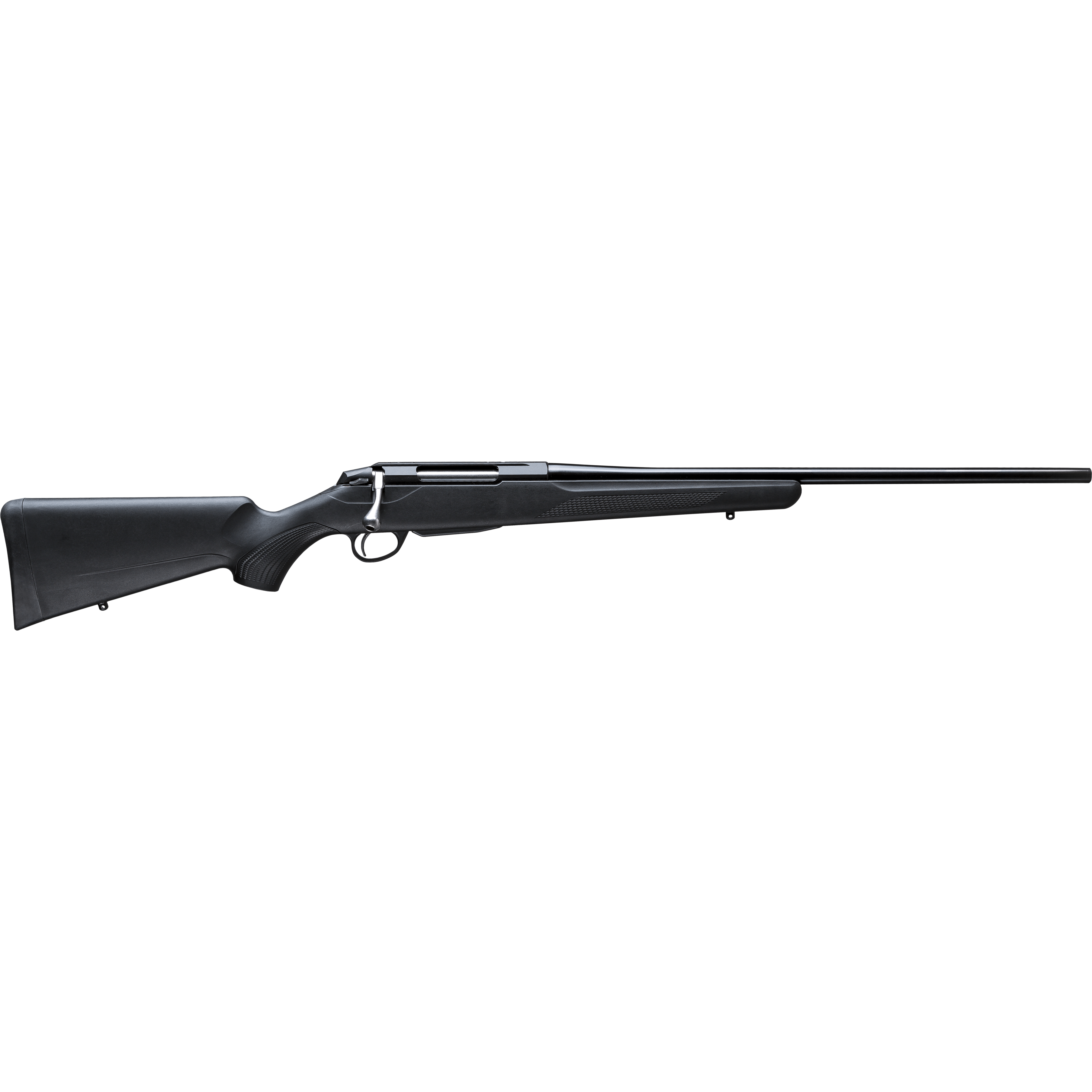
The T3x Lite (for Varmints): If you're a "run and gun" coyote hunter who covers five miles a day, the Lite profile is the way to go. Just remember to pace your shots.
The T3x Super Varmint: The ultimate hybrid. A heavy barrel with a Cerakote finish to handle the dust and grime of the plains.
Nature doesn't give you many second chances, even with varmints. When you have a coyote hung up at 350 yards, staring at your call, you need to know that your barrel is as cool and collected as you are.